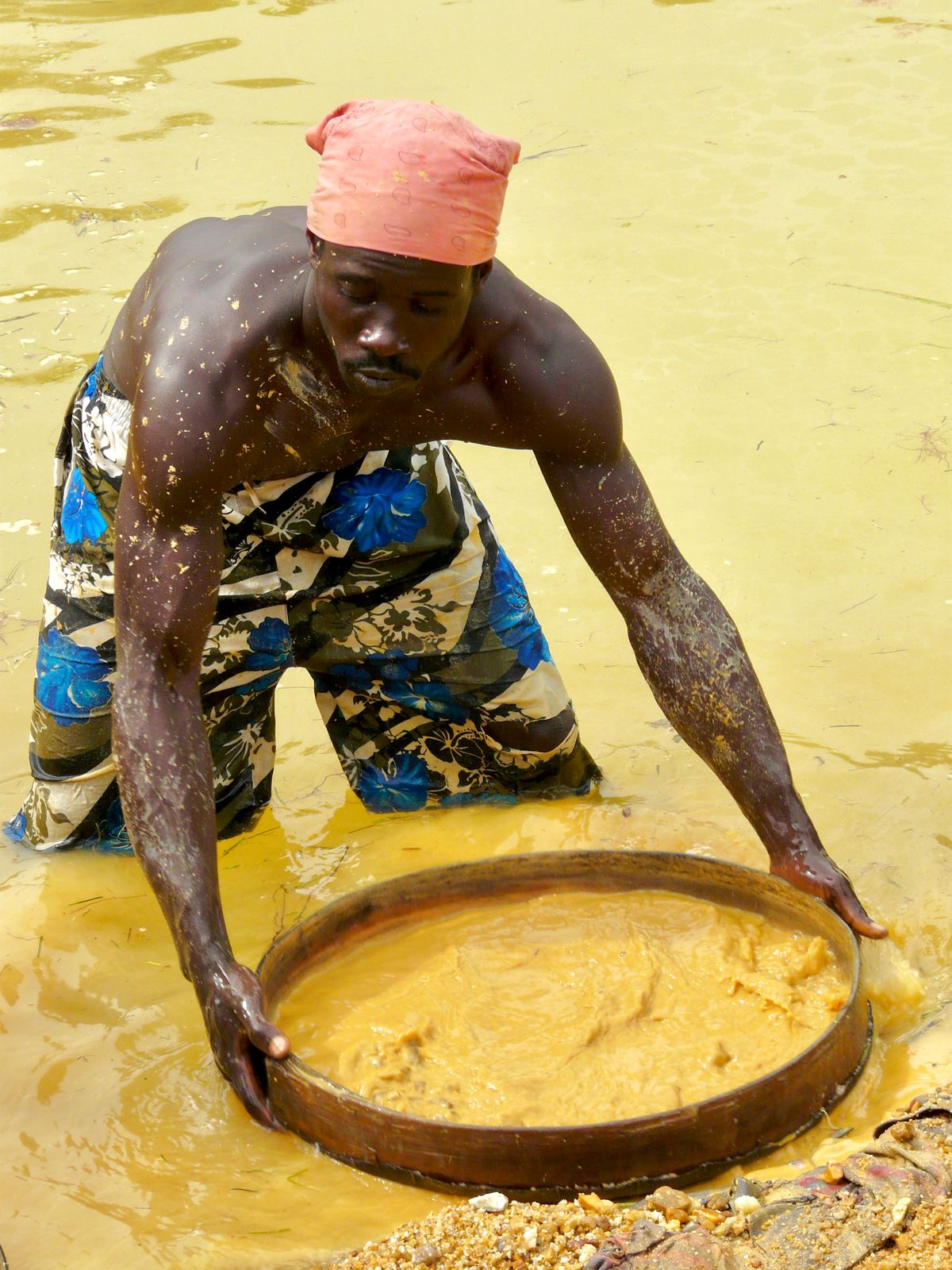
Detecting Illegal Mining with Sentinel-2: A Guide for West African Regulators
From Ghana's galamsey to artisanal pits in northern Nigeria, weekly satellite change detection can find illegal mining fast.
StrikeClimate Insights Team · · 4 min read
Illegal and unregulated mining scars land, destroys farmland and poisons rivers. Ghana's galamsey crisis has turned major rivers brown, and Nigeria has seen deadly lead poisoning linked to artisanal gold mining in Zamfara. Inspectors can't be everywhere, but satellites revisit every few days.
What gives mining away - New bare-soil patches in forests or farmland. - Pits and ponds with distinctive shapes and colours. - River turbidity spikes downstream of active sites. - Access tracks appearing in remote areas.
The detection pipeline 1. Build cloud-free composites from Sentinel-2 every week or fortnight. 2. Run change detection and an AI classifier trained on known mining sites. 3. Score river segments for turbidity to trace pollution to its source. 4. Push alerts with coordinates to enforcement teams. 5. Verify in the field and feed results back into the model.
Beyond enforcement - Licensing authorities can check that operators stay within concession boundaries. - Water utilities can anticipate treatment challenges. - Communities and journalists can access evidence.
StrikeClimate builds mining-watch dashboards for regulators, utilities and environmental agencies.
- #illegal mining
- #galamsey
- #Sentinel-2
- #water quality
Keep reading
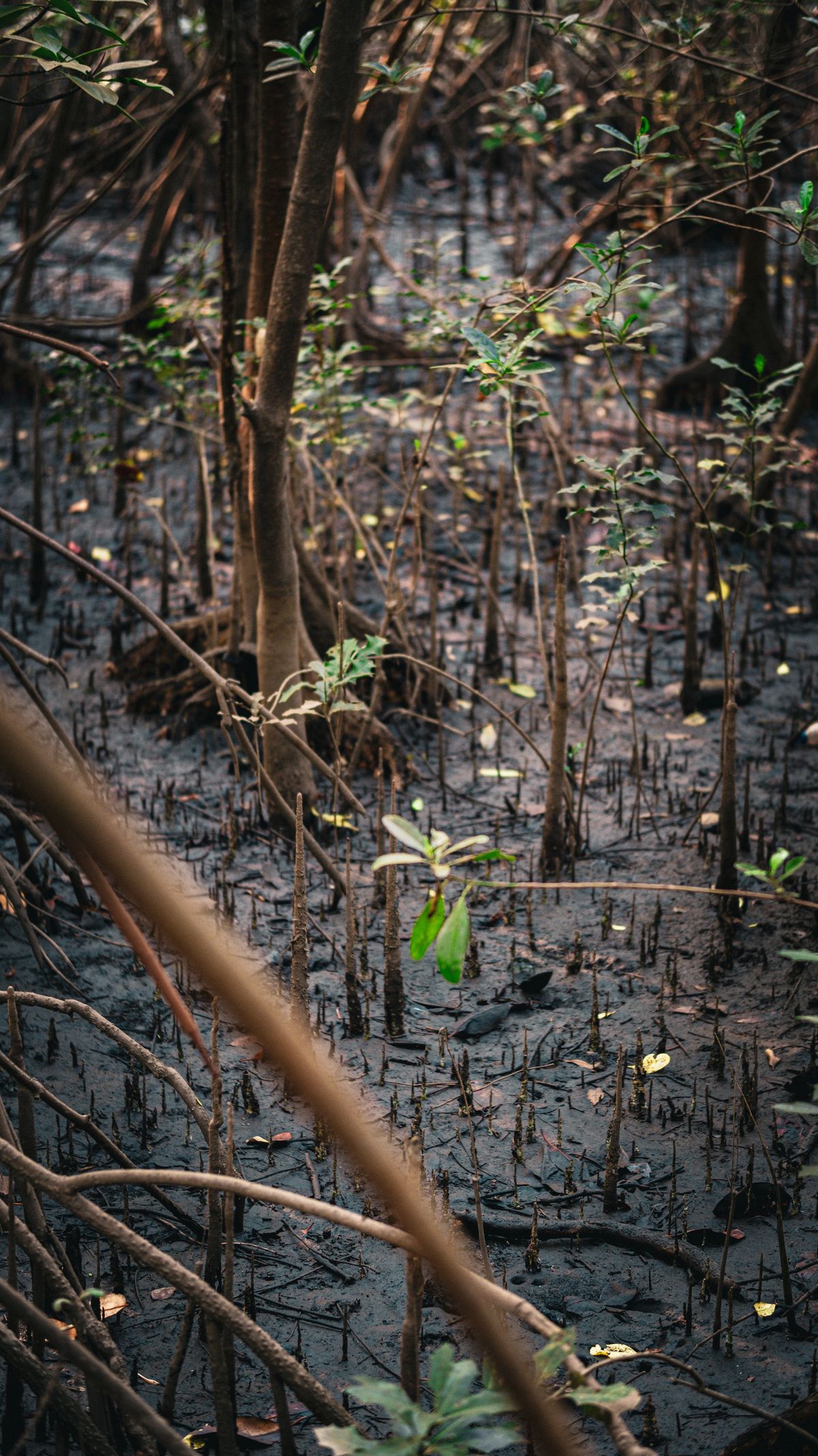
Nigeria's Carbon Market Moment: Why Satellite MRV Decides Credit Value
With the Carbon Market Activation Policy and Article 6 deals, Nigerian projects need credible, satellite-based MRV to attract premium buyers.
2026-10-04 · 5 min read

Measuring the Great Green Wall: Satellite Monitoring Against Desertification
Northern Nigeria is central to Africa's Great Green Wall. Satellite monitoring shows where restoration is working and where it isn't.
2026-09-22 · 4 min read
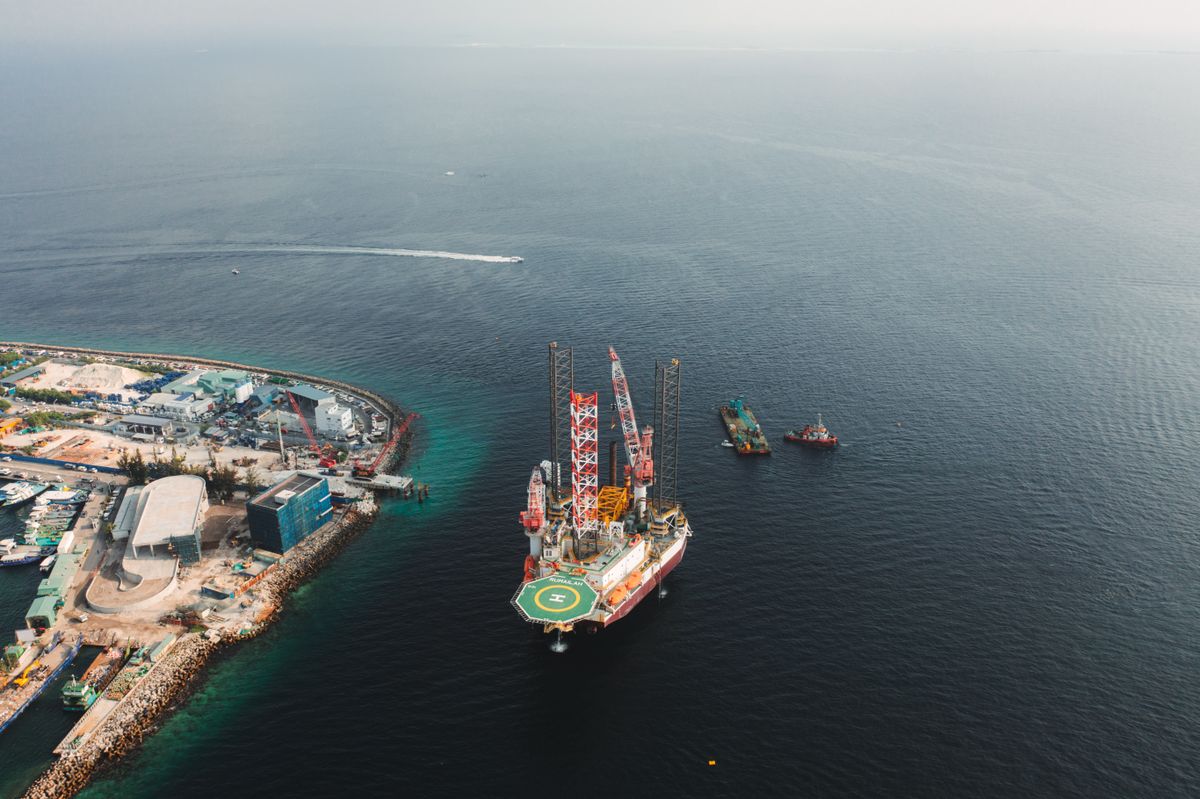
Oil Spill Detection with Radar Satellites: A Niger Delta Guide
Synthetic aperture radar sees oil slicks day or night, through clouds. How it supports faster response and transparent clean-up.
2026-09-10 · 5 min read