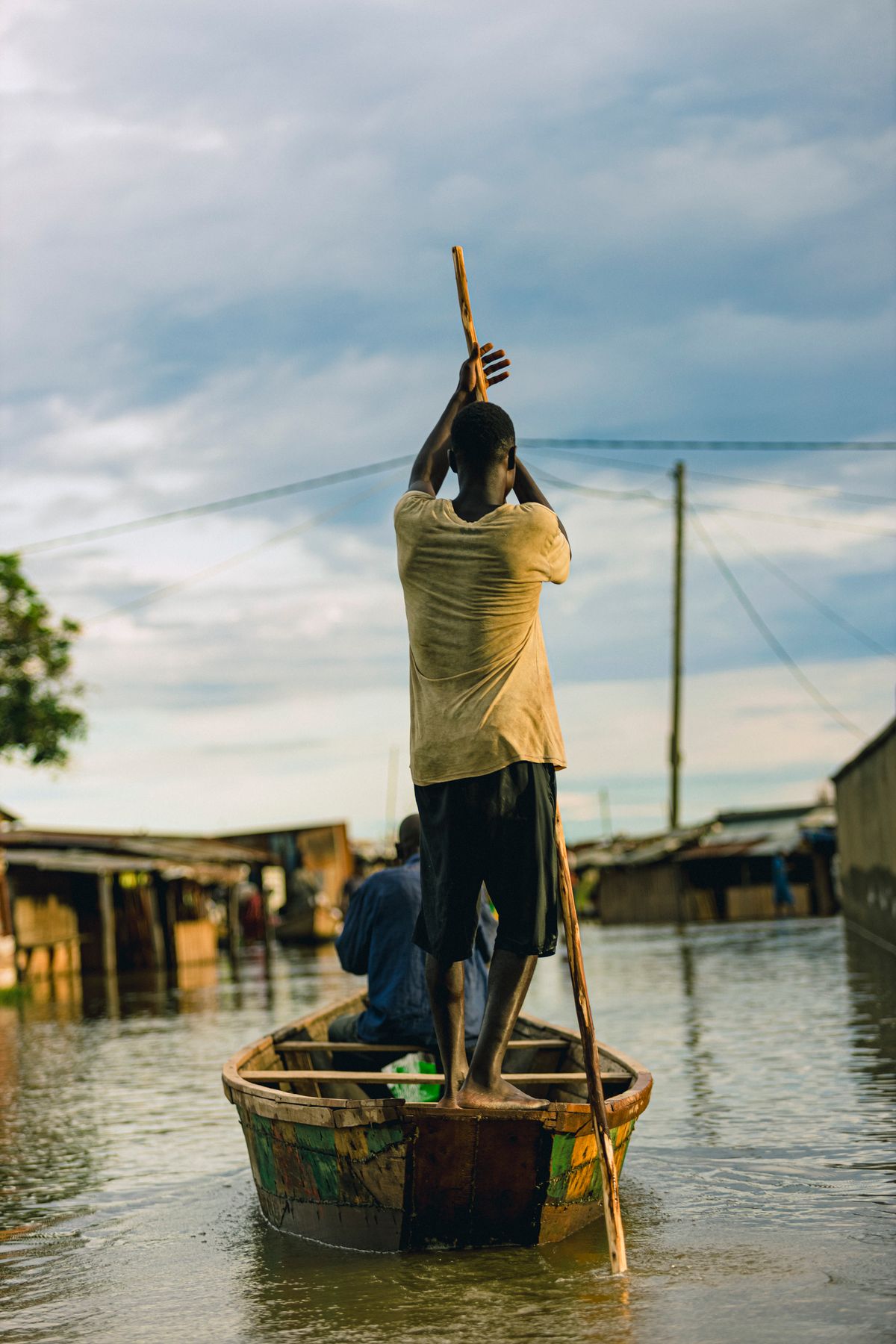
After Mokwa: Building Impact-Based Flood Early Warning in Nigeria
The 2025 Mokwa disaster showed that knowing it will rain isn't enough. Here's what an impact-based flood warning system needs.
StrikeClimate Insights Team · · 6 min read
In late May 2025 a flash flood devastated Mokwa in Niger State, killing at least 200 people and displacing more than 3,000, with hundreds more reported missing (AP). The disaster was a painful reminder that Nigeria's flood risk isn't confined to the Niger-Benue floodplains in September. Intense local rainfall, failing drainage and settlement in flood paths can turn deadly in hours.
From weather warnings to impact warnings Traditional warnings say *what the weather will be*. Impact-based warnings say *what the weather will do*: which streets will flood, which bridge may wash out and who needs to move.
The five building blocks 1. Hazard forecasting: rainfall nowcasts, river gauges and NIHSA and NiMet outlooks. 2. Exposure data: buildings, population, roads, schools and health facilities. 3. Vulnerability: housing type, elevation and access to safe ground. 4. Impact modelling: hydrological and terrain models plus satellite-observed flood history. 5. Communication: multilingual, multichannel alerts with clear actions.
Satellites close the data gap Sentinel-1 radar sees through clouds, so every flood it captures improves our map of where water actually goes. Geospatial foundation models now extract flood extents in hours, building a historical archive for every community.
What states and LGAs can do this year - Map flood-path settlements and prioritise them for drainage and relocation support. - Pre-agree trigger thresholds for evacuation and anticipatory cash transfers. - Run community drills and keep phone trees and WhatsApp groups current. - Use digital postcodes to geolocate every at-risk household.
How StrikeClimate helps We build impact-based early warning dashboards and alerting pipelines that turn open satellite and hydromet data into street-level action. Lead time saves lives, and it also protects livelihoods.
- #flood
- #early warning
- #NIHSA
- #Niger State
Keep reading
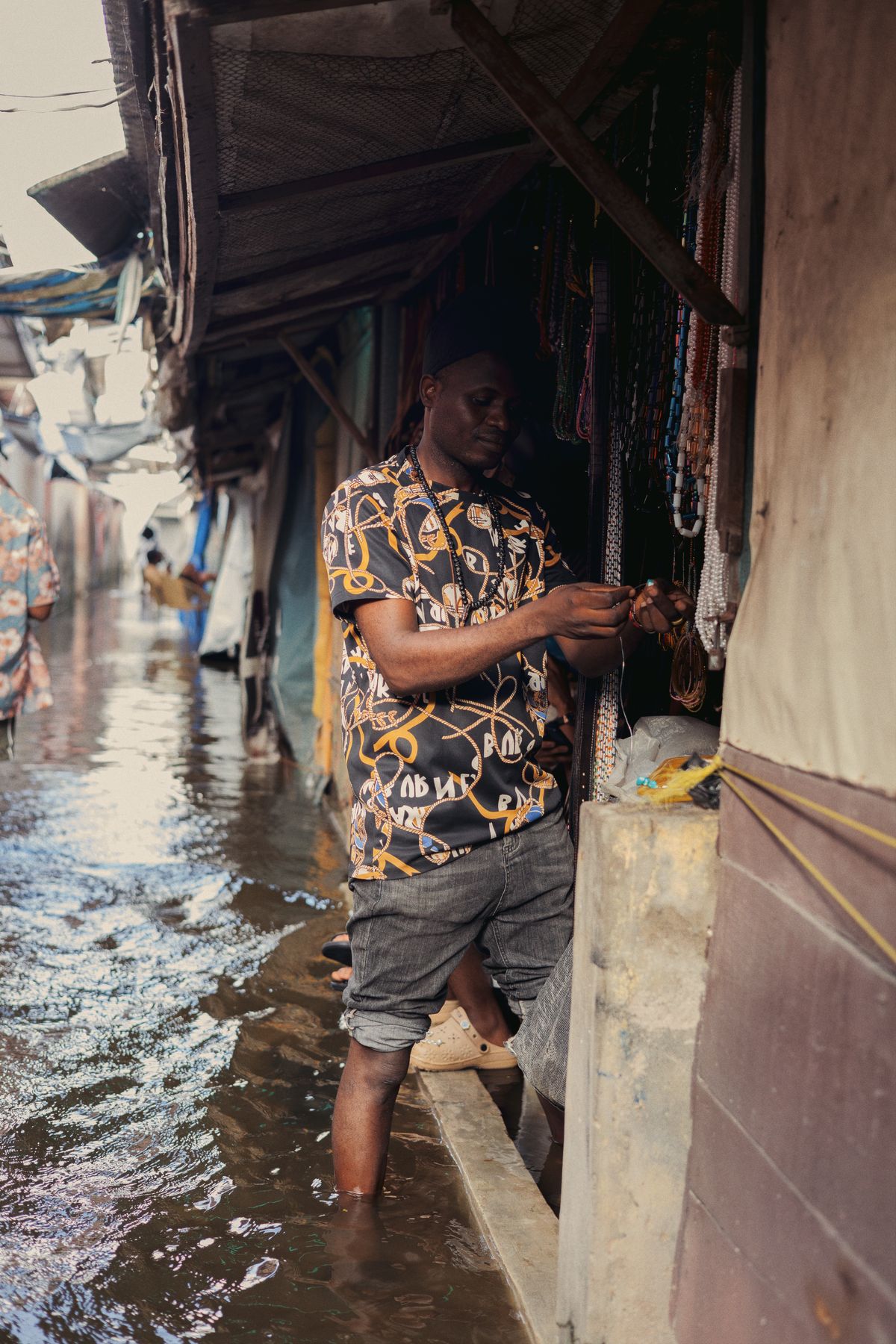
Flood-Season Resilience Checklist for Nigerian Businesses
A practical, data-driven checklist for warehouses, factories, farms and retail chains to cut flood losses every rainy season.
2026-10-08 · 4 min read
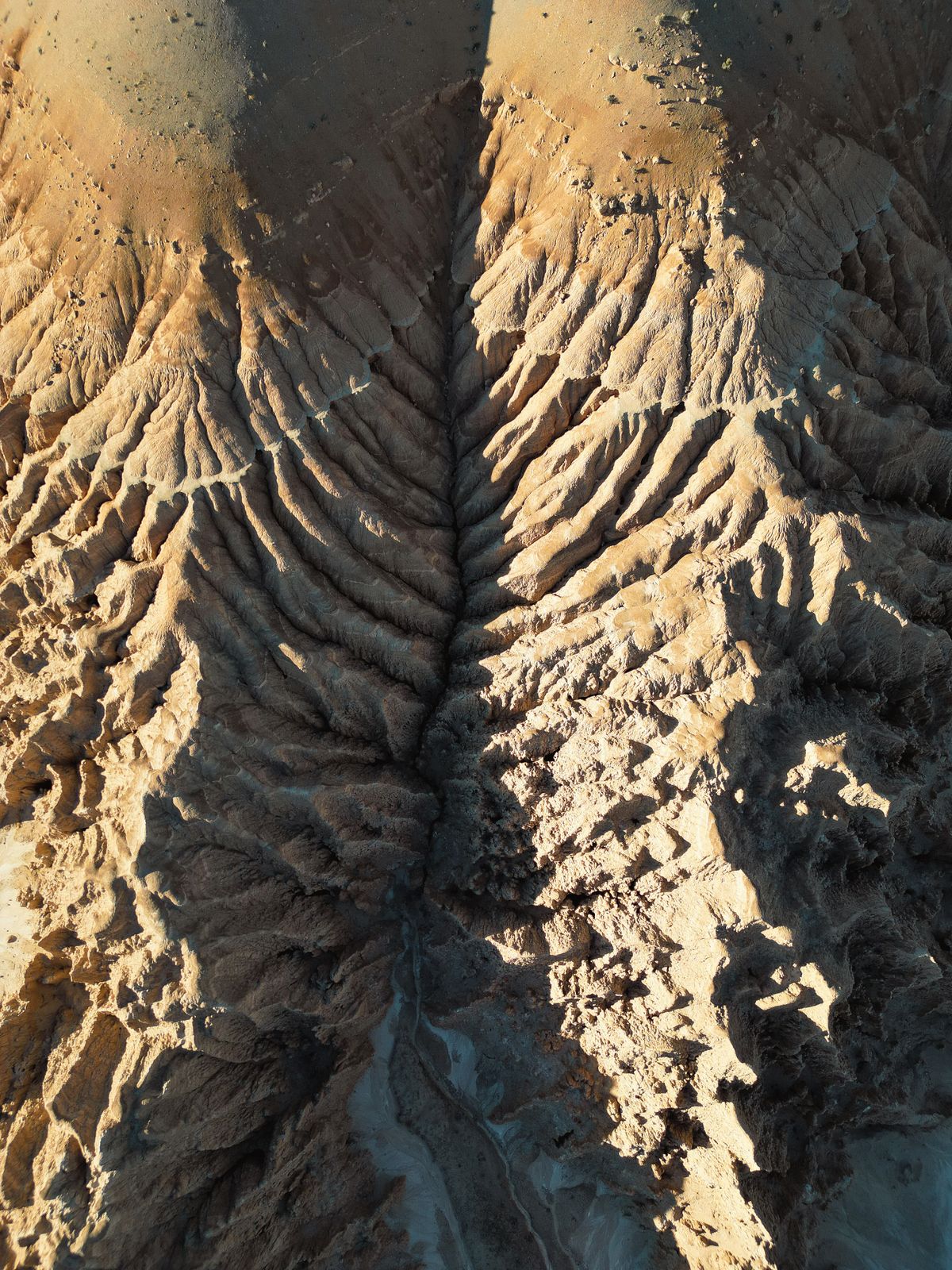
Stopping Gully Erosion in South-East Nigeria with Satellite Monitoring
InSAR, high-resolution elevation models and AI can spot unstable slopes before they become road-swallowing gullies.
2026-10-06 · 5 min read
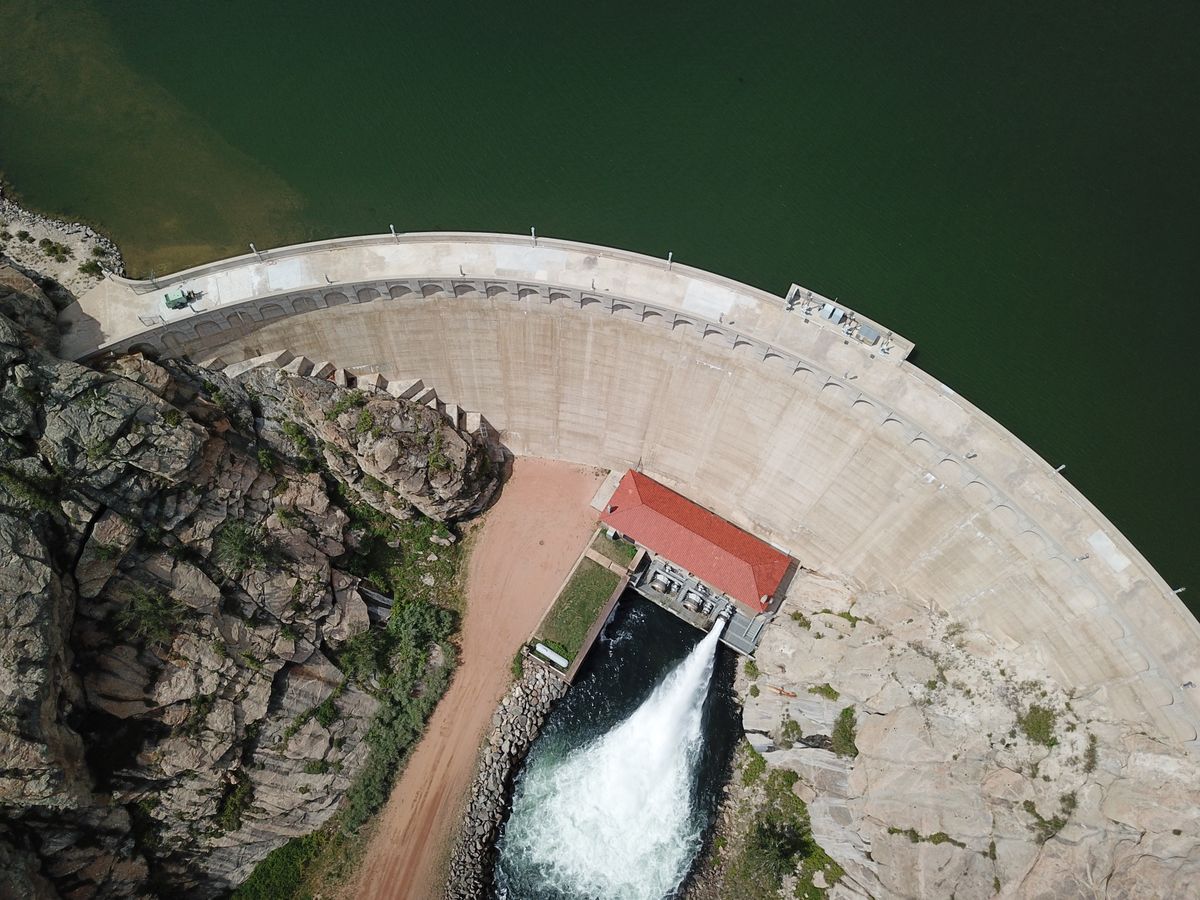
Alau Dam Collapse: Lessons for Dam Safety Monitoring in Nigeria
The 2024 Maiduguri flood displaced at least 400,000 people. Here's how satellites and dam-break models can stop the next one from becoming a disaster.
2026-09-30 · 5 min read